How often should you inspect hives?
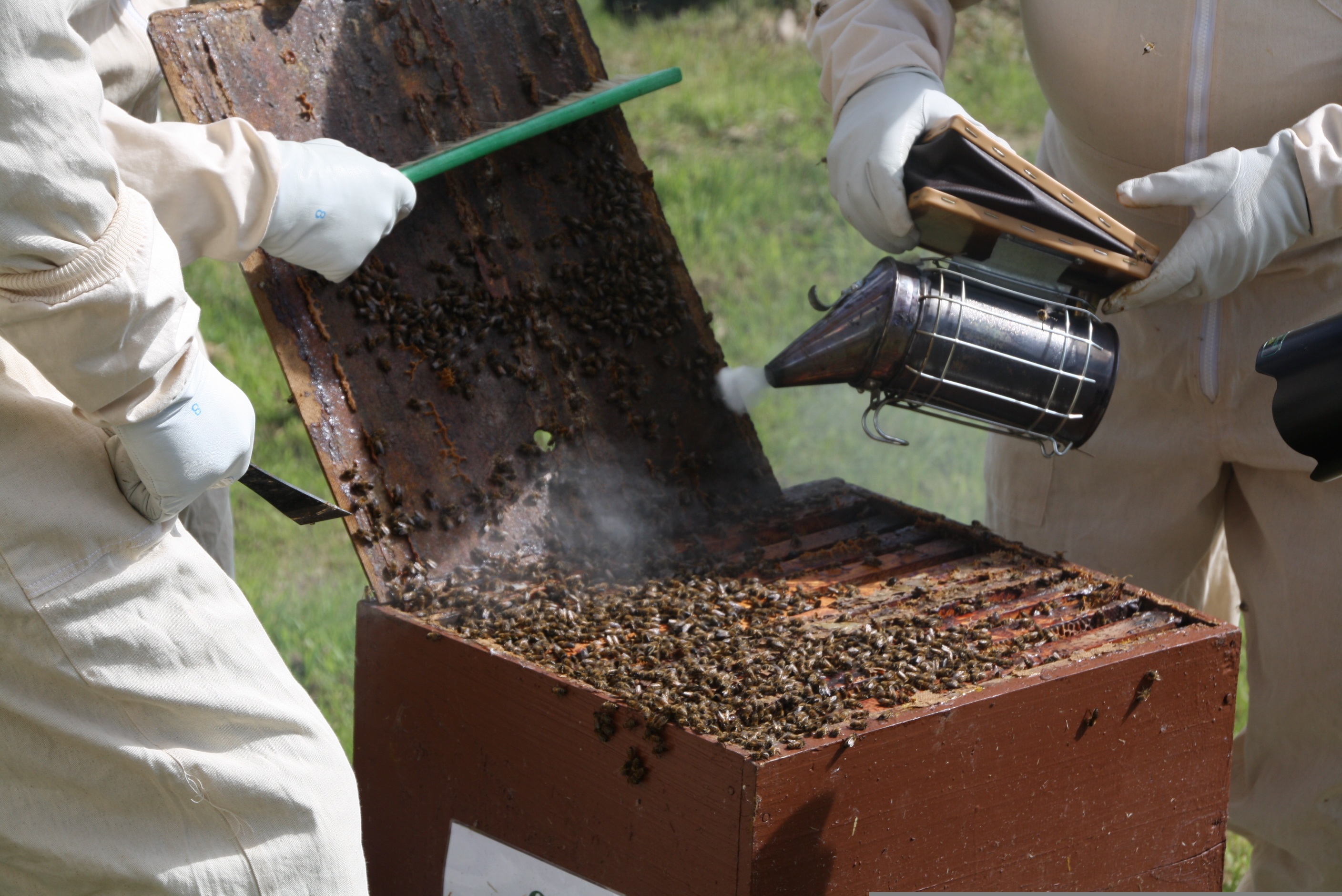
If you’re wondering how often to inspect hives, you’re in the right headspace. Most new beekeepers swing between two fears: opening too often and “bothering” the bees, or waiting too long and missing something that matters.
This is written for hobby and small-scale beekeepers running 0–50 colonies in temperate or cold climates. Short seasons, cold nights, and fast spring build-up change the inspection rhythm compared to warm-climate advice.
Here’s the core idea: your hive inspection frequency should follow what the colony is likely to do next, not what your calendar says.
How often to inspect hives through the seasons
The “right” schedule changes through the year. Swarm season demands tight timing. Late summer demands good mite data. Winter demands restraint.
A simple seasonal guide (assumes you’re trying to prevent swarms and winter losses):
| Season phase | Typical frequency | What you’re trying to prevent |
|---|---|---|
| First warm days, early spring | every 10–14 days (often quick checks) | starvation, deadouts, cramped brood nest |
| Spring build-up and swarm season | every 7 days (sometimes 7–10) | swarms, queen problems, running out of space |
| Main nectar flow | every 10–14 days | swarms, honey-bound brood nest, lack of super space |
| Summer dearth | every 2–3 weeks (mostly quick checks) | robbing pressure, starvation, drifting issues |
| Late summer into fall | every 10–14 days (targeted) | high Varroa, underfeeding, weak winter setup |
| Winter | external checks weekly, no full inspections | blocked entrances, moisture problems, starvation |
Early spring: fewer deep dives, more “are they OK?”
In temperate and cold areas, early spring is when colonies can starve with brood present even if winter started strong. Quick checks matter more than long frame-by-frame inspections.
What I do:
- Pick a calm, sunny day when bees are flying and work fast. Warm, still conditions make everything easier on you and the bees.
- Don’t aim to “see everything.” Aim to answer two questions: Do they have food? Do they have a laying queen (or at least brood)?
If you’re running 2–5 hives, early spring is also when you notice which colonies are lagging. A weak colony can look “fine” at the entrance and still be one cold week away from starvation.
Spring build-up and swarm season: every 7 days means every 7 days
This is the one time of year where I’m opinionated: if you’re managing swarming by inspections, inspect on a 7-day cycle when colonies are building fast. Weekly intervals during swarming season are standard guidance in many bee associations.
Why the tight timing? Queen cells get capped around day 9 after the egg is laid, and colonies often swarm right around capping.
Practical takeaways:
- If you check at 7-day intervals and you’re thorough, you usually catch charged queen cells before you lose the prime swarm.
- If you stretch to 14 days during swarm season, you’re often reading the aftermath: sealed cells, a lighter colony, and a queen you can’t find because she left.
If you run 10–20 hives, you may not be able to do full inspections on every colony every week. That’s where triage helps: fully inspect the strongest colonies (the ones most likely to swarm), and do quick checks on the rest.
Main nectar flow: stay present, but stop tearing them apart
During a strong flow, colonies can fill space fast, and backfilling the brood nest can still push swarming. You don’t need to pull every brood frame every time.
A good rhythm for many yards is every 10–14 days, mixing:
- quick checks for space and swarm cells
- periodic brood nest checks to confirm the colony is still queenright and expanding
If supers are going on and coming off, your “inspection” might be more about managing space than staring at brood.
Summer dearth: back off, and avoid starting fights
When the flow shuts down, colonies can get touchier and robbing pressure rises. This is when unnecessary full inspections create problems.
I usually shift to every 2–3 weeks, and I keep most visits short:
- check feed needs (especially small colonies and nucs)
- check entrances for robbing behavior
- check mite numbers on a real schedule (more on that below)
If you need to feed in a dearth, plan it and do it cleanly. A sloppy spill can light up the whole yard. If you want a simple way to calculate amounts and timing, the feeding syrup planner helps you avoid the “a little bit, too often” trap: sugar syrup feeding planner.
Late summer into fall: targeted inspections, no procrastination
Late summer and early fall is when next winter is decided. In cold climates, you don’t get a long second chance.
This is the time to be disciplined about Varroa monitoring. Monthly checks are commonly recommended where Varroa is established, with exceptions during treatment and in very cold winter periods.
Also, if you’re using alcohol wash, you’ll see action thresholds commonly stated around:
- below 1 mite per 100 bees in spring
- around 2 mites per 100 bees later in the season
- and many extension resources use 3 mites per 100 bees (3%) as a treatment threshold during much of the active season
So your fall inspection rhythm often becomes: inspect every 10–14 days, but with a purpose:
- confirm treatment is on track and working
- confirm feeding progress
- confirm brood nest size and colony strength are heading the right direction
Winter: don’t open the hive like it’s May
In a cold winter, full inspections are mostly risk and little reward. Some calendars note that bees stay clustered except on unusually warm days (around 50°F / 10°C and up).
For winter stores, cold-climate guidance commonly lands around 75–100 lb of honey depending on equipment and local conditions.
Winter “inspection” looks like:
- check entrances after snow/ice
- listen for life (optional, and gently)
- lift the back of the hive to judge weight
- look for moisture issues and woodpecker damage
If you must open, pick the best day you’ll get, and keep it short.
Quick checks vs full inspections
Most yards do better when you separate “visits” into two types. This alone prevents over-inspecting.
Quick visual checks (1–5 minutes)
Quick checks are underrated. They catch problems early without tearing up the brood nest.
What I look at:
- entrance traffic and pollen coming in (useful, not perfect)
- robbing signs (fighting, bees darting in and out, wax crumbs)
- dead bees piling up (a few is normal, a lot needs a look)
- the feel of the colony: calm, defensive, roaring queenless sound
- under the lid: do they have feed, is there obvious moisture, is space getting tight
Quick checks are perfect for days that are “not quite inspection weather.” You still learn a lot.
Full inspections (10–25 minutes per colony)
A full inspection is when you’re pulling frames in the brood area. Do it with a plan.
Before you crack the hive, decide what you’re there to answer:
- Is the colony queenright?
- Do they have space for the next 10 days?
- Are mite levels acceptable?
- Do I see disease signs that change what I do next?
If you don’t have a question, you’re more likely to over-handle the colony. That’s when you roll queens, chill brood, and create more burr comb than you remove.
A realistic pace:
- 1–2 hives: you can be slow and careful
- 10 hives: you need a system, or inspections will drag out and get sloppy
- 30–50 hives: you’ll often sample and prioritize, not treat every hive the same
What to focus on when you open a hive
When inspections are frequent, the mistake is trying to “check everything” every time. Instead, hit the big four: queen status, brood quality, food, space. Then add mites and obvious disease signs.
1) Queenright status: eggs beat queen spotting
You do not need to physically see the queen on every visit. In practice, eggs and very young brood are the best everyday proof that the colony is queenright, and many guides emphasize inspecting the brood area for eggs when queenlessness is a concern.
What I look for:
- eggs (tilt the frame with the sun at your back)
- young larvae in a healthy pool of brood food
- a brood nest that makes sense for the season
If you find no eggs, don’t panic and start buying queens the same day. First, check your timing. During nectar dearth and seasonal slowdowns, brood rearing can pause or shrink.
2) Brood pattern: “spotty” is a clue, not a diagnosis
A clean, consistent brood pattern usually points to a functioning queen and good colony conditions. Some resources define a “good” pattern as having few open cells, often under about 20% open cells in the brood area.
Spotty brood can mean:
- a queen issue
- brood disease
- heavy mites
- nutritional stress or colony stress
Extension resources note that a spotty brood pattern can be an early sign of multiple problems, including brood disease like European foulbrood, and it should prompt a closer look into cells for the real story.
My rule: don’t requeen just because one frame looks ugly. Look for a pattern across the brood nest, plus other signals (temperament change, poor build-up, drone laying in worker cells).
3) Food: stop guessing, start measuring by frames and weight
In cold climates, the colony’s “bank account” matters more than a sunny entrance.
In-season, I check:
- do they have nectar or honey arcs around brood?
- is pollen coming in and stored?
- do they feel light when I tip or lift?
Late season, I’m stricter. If you’re short on stores, you won’t “make it up” after the weather turns. That’s where a feeding plan helps: plan your fall feeding amounts.
4) Space: think 10 days ahead
Bees don’t run out of space gradually, they hit a wall. In spring, a strong colony can go from “fine” to “congested” between inspections.
In swarm season, I look for:
- backfilled brood nest (nectar shoved into brood cells)
- queen cups that are charged (larva and royal jelly)
- bees hanging under the frames, heavy bearding on cool evenings
During a flow, it’s usually safer to add space a bit early than a bit late.
5) Disease signs and mites: never skip the mite data
Varroa is the quiet killer in most temperate and cold-climate losses. The hard part is that you can have a hive that looks strong in July and collapses in October.
If you’re not tracking mite counts, your inspection schedule is missing the most important number in the yard.
- Alcohol wash is widely promoted as a top method for monitoring Varroa levels.
- Many programs recommend monitoring on a consistent schedule, often monthly when Varroa is established.
If you want a simple way to map treatments and follow-up checks, use a tool that forces the calendar and the retest: Varroa strategy planner.
Tools that make inspections faster and more consistent
Inspections get easier when you stop relying on memory at the hive stand.
- Use an inspection checklist generator so every hive gets the same core checks, even when you’re tired or rushed: inspection checklist generator.
- Keep a simple apiary packing list so you stop arriving without the one thing you needed (queen clips, mite jar, extra smoker fuel): beekeeping tools and checklists.
- Build your season around mite monitoring and follow-ups, not “I’ll treat later”: Varroa strategy planner.
If you’re in your first season, it also helps to work from a structured plan so you’re not improvising every week: first-year beekeeping planner.
A simple inspection rhythm to stick with
If you want one usable rule: inspect often when the bees are likely to swarm, inspect with purpose when mites and stores decide winter, and otherwise keep visits short. When you open a hive, be clear about what you’re looking for, then close it up and let them work.
Before your next visit, generate a checklist for that day’s goal, swarm control, feeding, or mite monitoring: inspection checklist generator.
Tools that make this easier
First-year beekeeping season planner
Generate a month-by-month first-year beekeeping plan tailored to your climate, start date and number of hives.
Open toolMore from the blog
First year beekeeping calendar explained
The first-year beekeeping calendar is where good intentions meet real weather, real bees, and real life. If you feel behind in your first season, you are not doing it wrong, you are doing beekeeping. This first-year beekeeping calendar is written
Read articleHow much honey should you leave for winter?
“How much honey should you leave for winter?” is one of those questions that sounds simple until you’ve watched a colony starve in March. How much honey should you leave for winter depends on your climate, your hive setup, and
Read articleVarroa monitoring basics for small apiaries
Varroa monitoring is the difference between wintering bees and watching them fall apart in late summer. If you keep 0–50 hives in a temperate or cold climate, varroa monitoring needs to be a routine, not a panic move after you
Read article